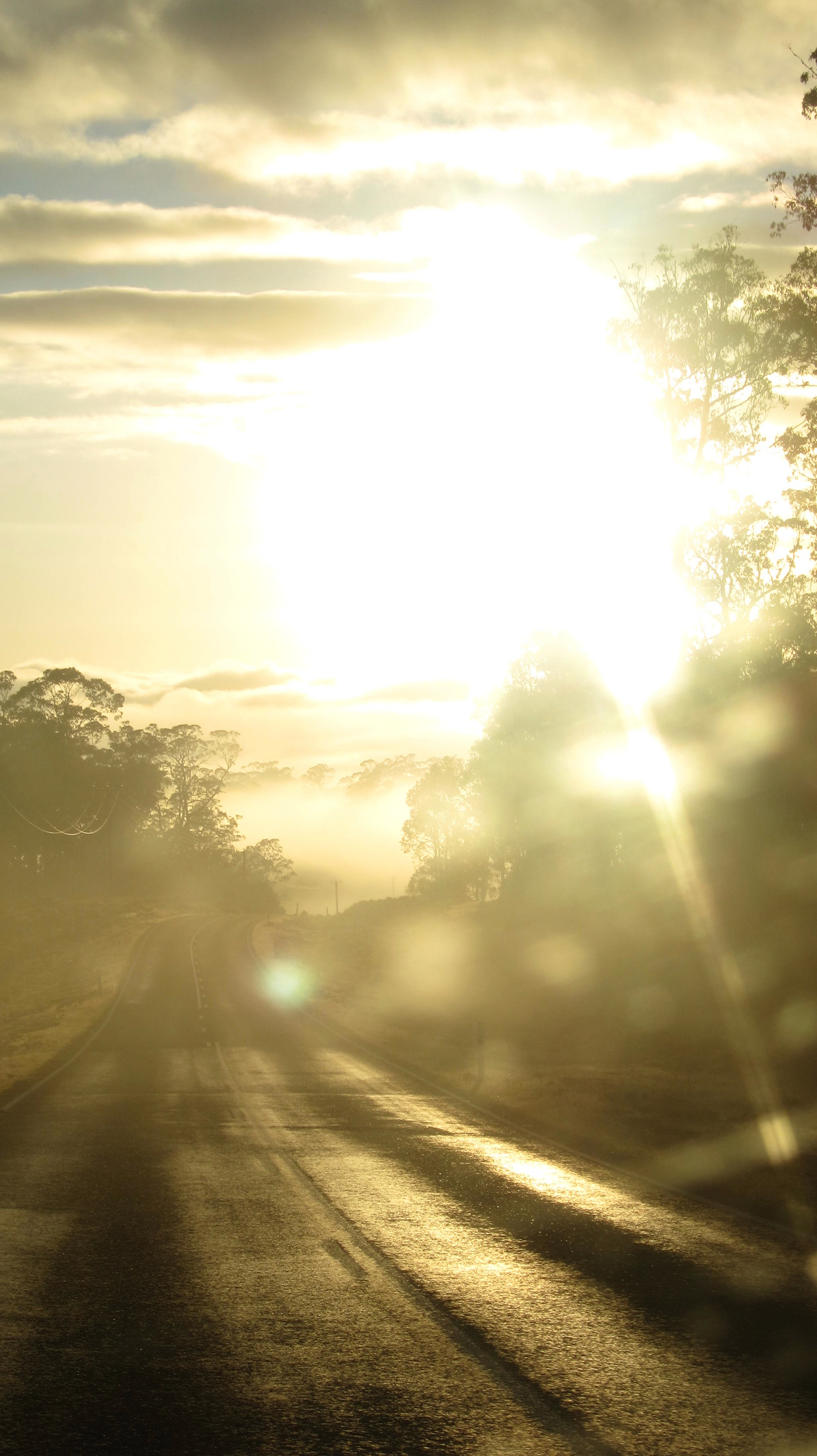
What the World Has Always Known About Mornings
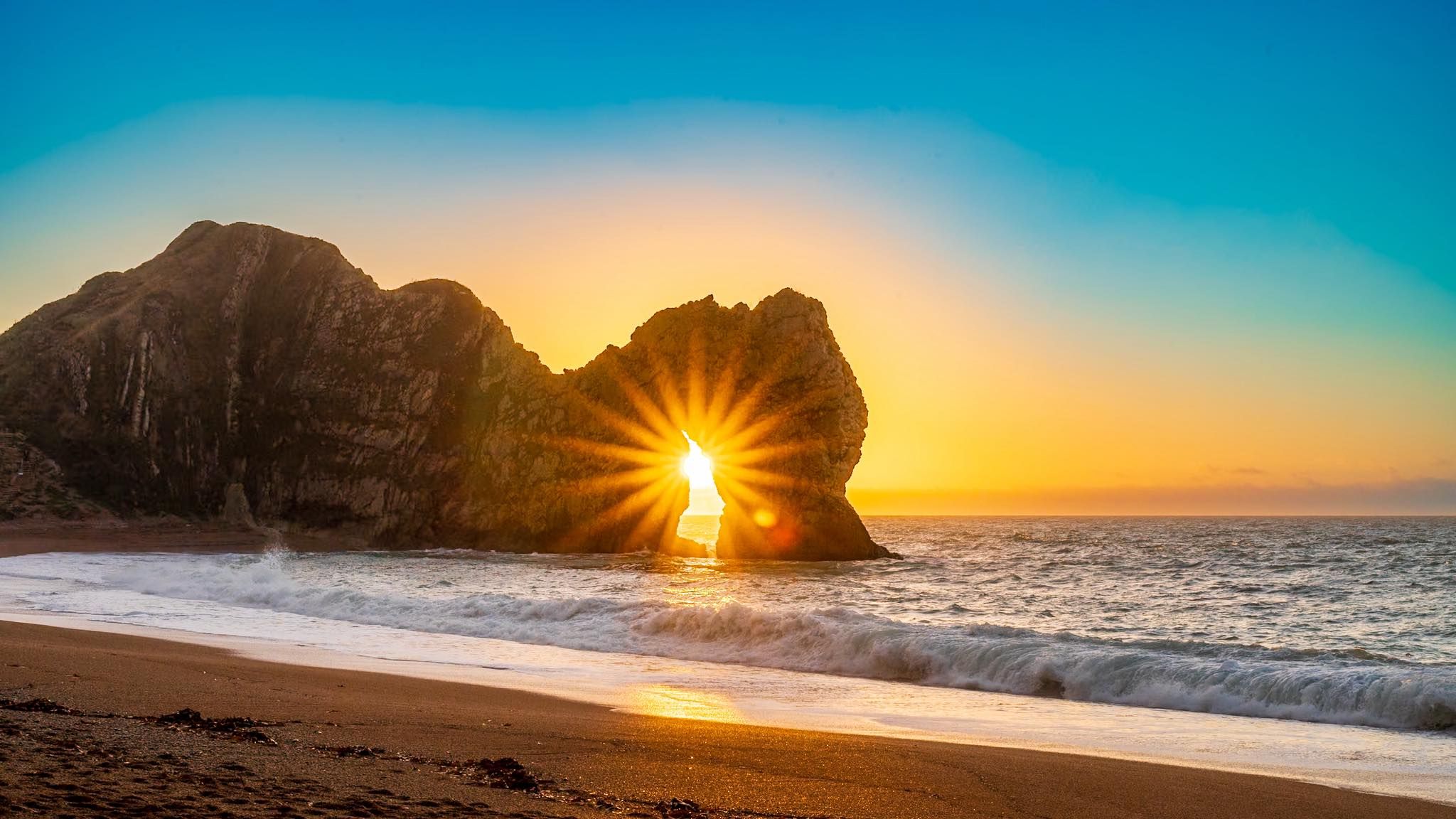
Every Culture Has a Morning Ritual. Here's Why That's Not a Coincidence.
Before the first coffee, before the phone, before the to-do list: there is a window of time that humans across every culture and continent have recognised as sacred.
It doesn't matter whether you're looking at the Inca, the Japanese, the Cree, the ancient Egyptians, or the Yolngu of Arnhem Land. All of them, independently and across millennia, developed some form of morning practice that involved either greeting the sun, placing the body in contact with the earth, or both.
That's not a coincidence. It's ancient wisdom about what the human nervous system actually needs to start a day well.
What Happens in the Body at Dawn
Before we get to the rituals themselves, it's worth understanding why morning matters so much, physiologically.
In the first hour after waking, your body moves through what researchers call the cortisol awakening response — a natural, healthy spike in cortisol that's designed to alert your system, boost focus, and prepare you for the day. When you expose your eyes to natural morning light early in this window, it sends a direct signal to the brain's master clock — the suprachiasmatic nucleus — which then synchronises your whole circadian rhythm for the next 24 hours. This affects sleep quality, mood, energy levels, immune function, and how well your nervous system can stabilise throughout the day.
Earthing — or placing bare feet on natural ground — has its own body of research behind it. Direct contact with the earth transfers a gentle charge of free electrons into the body, which appears to reduce inflammation, lower cortisol, and support the kind of quiet nervous system tone that makes everything else easier.
In other words, the people who designed these rituals didn't have the neuroscience. But they had the lived experience. And they built entire cultures around what they observed.

Rituals from Around the World
The Cree and Ojibwe Peoples — North America
The Sunrise Ceremony is a deeply personal and communal ritual performed at dawn to welcome a new day and give thanks for life, creation, and the earth. Participants sit in a circle around a fire, facing east as the sun rises. Pipes are smudged and passed — turned through all four directions — as prayers are offered. Cree Elder Raymond Ballantyne describes how by the time the pipe has moved through all four directions, the sun is fully above the horizon. The ceremony is considered complete when the sun is up.
The Lakota — Great Plains, North America
The Lakota practise a Dawn Greeting ceremony that renews a person's relationship with the universe each morning. Prayers are offered at first light as part of a daily commitment to living in right relationship with the natural and spiritual world. The rising sun is understood not as metaphor, but as a living presence — one that deserves to be acknowledged.
The Quechua and Aymara Peoples — Peru and Bolivia
For the Quechua and Aymara, morning offerings called despachos are made to harness the potency of daybreak. These rituals honour both Inti (the sun) and Pachamama (mother earth) simultaneously — recognising that being upright under the sun and connected to the ground are two sides of the same act of belonging.
The Aztec — Mesoamerica
Aztec priests rose before dawn to burn copal incense and offer prayers to Tonatiuh, the sun deity, at first light. Smoke was used as a bridge between the physical and spiritual worlds — a way of making the morning offering visible. The act of greeting the sun was not optional. It was understood as part of what kept the world in motion.
The Maya — Mesoamerica
Maya communities greet the four directions at dawn and honour sacred fire as the sun rises. The Popol Vuh — the Maya creation text — describes how the first humans were given clear sight and understanding at dawn, a morning clarity that remains central to Maya spiritual practice today.
Ancient Egypt
Egyptian temple priests performed dawn rituals each morning to honour Ra, the sun god, as he rose above the horizon. The first light of day was understood as a daily act of creation — a renewal not just of the sun, but of the world itself. To greet Ra at sunrise was to participate in that renewal.
The Yolngu — Arnhem Land, Australia
The Yolngu people of north-east Arnhem Land hold the Banumbirr ceremony — the Morning Star Ceremony — timed to the rising of Venus before dawn. The ceremony runs through the night and reaches its peak just before first light, connecting the community to their ancestral country and to the sky as a living map of relationship. The morning, for the Yolngu, is not the beginning of a day. It is the continuation of a story that has always been.
The Navajo — North America
Traditional Navajo dwellings were built with their doors facing east, so that the first light of the morning sun would enter the home each day. This was not an architectural preference — it was an orientation toward life, a daily physical acknowledgement of where energy and renewal come from.
Hindu tradition — India
The practice of Surya Namaskar — sun salutation — is one of the most widely practised morning rituals in the world, with roots in Vedic culture thousands of years old. The sequence of movements is both a physical practice and a prayer, performed facing east at sunrise. The yogic tradition also identifies the pre-dawn hours as Brahma Muhurta — the "Creator's Hour" — considered the most potent time for practice, meditation, and intention-setting.
The Celts — Western Europe
Celtic communities gathered at stone circles and sacred sites to observe the sun's position at solstices and equinoxes, but dawn was also a daily threshold — a liminal time when the boundary between worlds thinned. The word morrow, root of our modern "good morning," carries echoes of this — a wish for the goodness of a new day, offered in full knowledge that the morning itself is a gift.
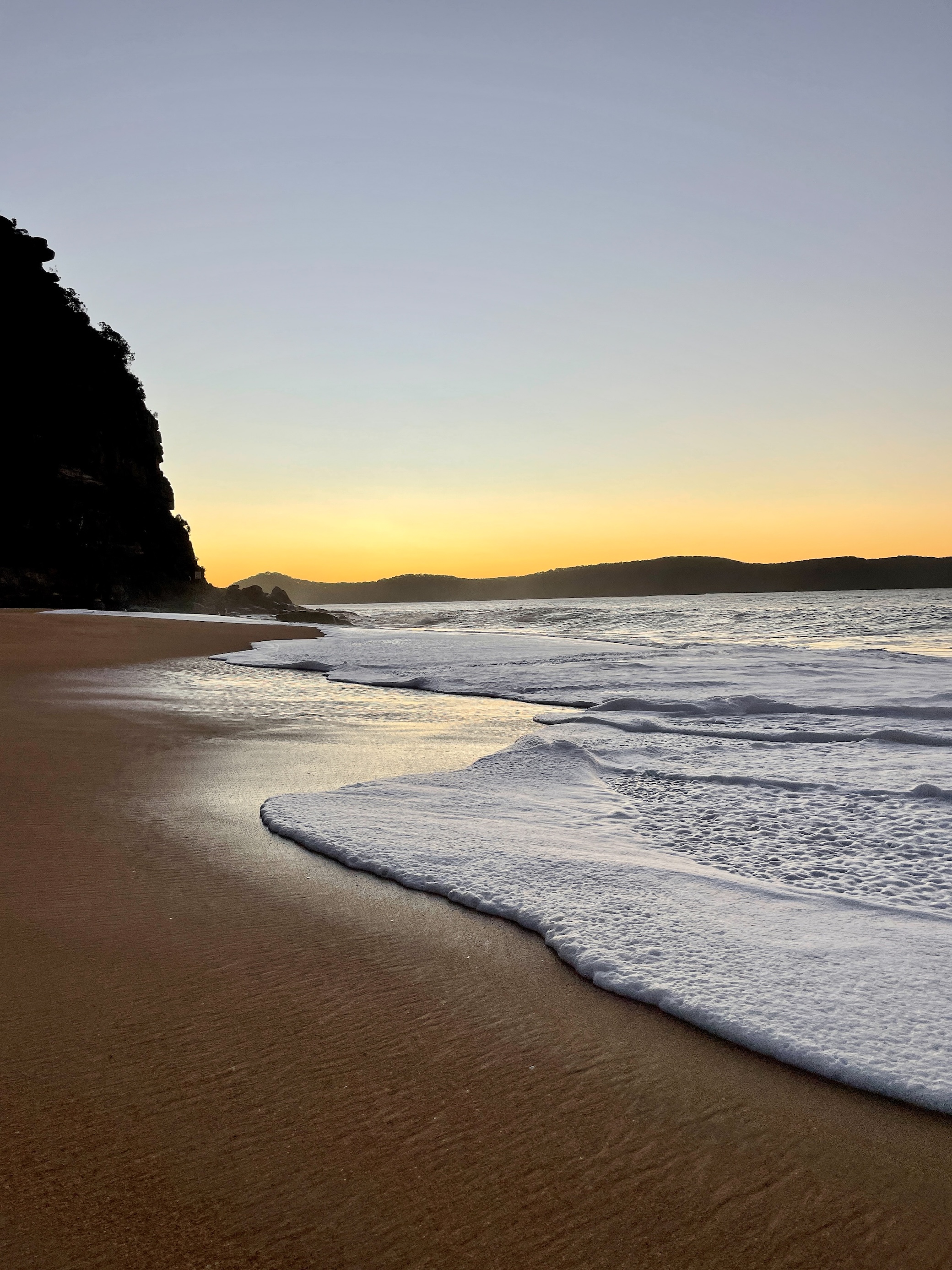
What All of These Have in Common
Stripped of their cultural specifics, every one of these practices does the same three things:
It orients the body eastward — toward the rising sun, toward light, toward the beginning. It places the person in some kind of relationship with the earth — through bare feet, through seated prayer, through fire made from the ground. And it marks the transition from night to day as meaningful — not something to be rushed through on the way to something else.
None of these cultures were doing "morning routines." They were practising belonging — to the day, to the land, to each other, to something larger than the day's agenda.
What This Means for You
You don't need to adopt a practice that isn't yours. But it's worth asking: how do you cross the threshold into your morning?
Even five minutes of natural light — standing outside, face toward the east, feet on grass or earth if you can — is something your body has been designed for. It's not a wellness trend. It's a form of coming home to yourself that every human culture on the planet has, in their own way, already figured out.
The morning is waiting. It always has been.