
Broken Bird Syndrome: What It Is and Why You Keep Attracting It
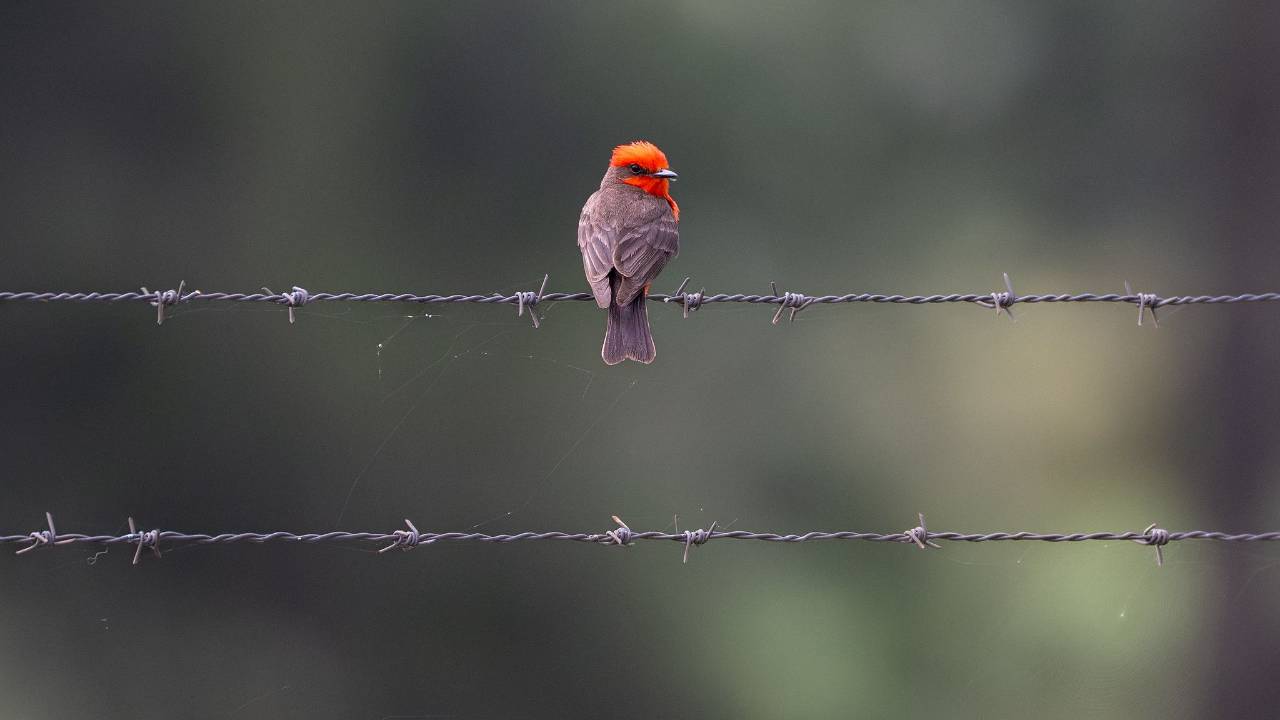
You meet someone, and within minutes you can feel it: the ache underneath their words, the thing they haven't said, the wound they don't know they're showing you. And something in you leans in.
You're irressistably and undeniably drawn to them before you're even conscious it's happening.
Not because you're naive, but because you're wired to notice.
This is 'Broken Bird Syndrome', the pattern of consistently being drawn to people who are struggling, wounded, needy, or in crisis, and feeling most alive, most needed, most you when you're the one holding them together.
What Is Broken Bird Syndrome?
Broken Bird Syndrome describes an attraction pattern: you're pulled toward partners, friends, even clients who are visibly in pain — and you find yourself stepping into the role of carer, fixer, or safe place almost immediately. It can look like romantic attraction, but it isn't limited to relationships. It shows up in friendships, in family roles, in the clients you take on even when you're already stretched thin.
The person doesn't have to ask you to save them. You offer, because some part of you has already decided that's the job.
How This Is Different From (But Related To) Broken Wing Syndrome
If you've read my piece on Broken Wing Syndrome, this will feel familiar — and it should. That post looks at what happens once you're already in it: the fixer role, the savior complex, the fatigue and resentment that build when you're the one holding someone together.
Broken Bird Syndrome sits a step earlier. It's the pull itself — the moment before you've said a word, when something in you has already clocked the wound and started leaning in. Broken wing is what it costs you once you're carrying someone. Broken bird is why you keep finding someone to carry in the first place. Same nervous system, earlier point in the story.
Why You Keep Attracting It
Here's the part that gets missed: this isn't a character flaw, and it isn't bad luck. It's a nervous system that learned, early, that being needed is safer than simply being.
It's a need that went unmet, and the next best thing to feeling loved is to feel needed.
If you grew up around someone who was struggling — emotionally unavailable, unwell, unpredictable — you likely learned to read a room before you learned to read a book. You became fluent in other people's pain because your safety depended on managing it.
Even if you were deeply loved, if it wasn't something you regularly perceived a deep human need called out to be met.
Somewhere in that, "I am valuable when I am useful" got laid down as a survival strategy, not a personality trait. Needed can be the next best things to loved.
So as an adult, your body still recognises that particular ache in someone else — the same frequency you grew up scanning for — and it registers as familiar. Familiar gets misread as chemistry. It isn't fate. It's your body doing exactly what it was trained to do.
It was a pattern that evolved out of necessity, and a kind of somatic intelligence, that we aren't always aware is in play.
The Cost of the Scanning, Not Just the Saving
Here's what tends to get missed when we only talk about the fixing itself: the cost starts before you've done anything. It starts in the scanning.
If part of you is always quietly reading a room for who's struggling, who's about to have a hard day, who needs you to soften the edges — that's a body working overtime long before anyone's asked you for anything. You're braced and alert in rooms that don't actually require it. You're spending your steadiness on people you haven't even chosen yet.
That's the quiet difference between choosing to care and being wired to notice pain first. One is a decision, a conscious choice, the other is your nervous system running a background scan you never decided to run.
How to Recognise It Before You're In It
You don't need to overhaul who you are, it only takes a few honest inner checkpoints to shift it in the moment.
- Notice the moments it arises. If you feel most drawn to someone right after they've shown you their pain, pause before you assign the meanin that it is chemistry.
- Notice your body, not just your story. A racing pulse and a tight chest can feel like excitement and like anxiety — they're nearly identical in the body. Become curious and ask yourself which one you're truly in.
- Notice what you're offering before you're asked. If you're already rehearsing how you'll help someone you just met, that's information, not romance. That's about you, not them.
None of this has to mean that you stop caring, it means learning to tell the difference between choosing someone and rescuing them, or learning to discern where your attraction is arising from in the first place.
Coming Home to Yourself
You can be a deeply caring person without carrying everyone else's weight as proof of your worth. That takes a body that's steady enough to choose, rather than a body that's racing to be needed.
Stability is what makes that choice possible — not distance, not guardedness, just a nervous system that isn't running on empty before the relationship's even begun.
If this pattern already has you in it — not just noticing it, but living it — my piece on Broken Wing Syndrome picks up from here, and my free guide 3 Ways to Stabilise is a place to start building that steadiness back.