
When ‘Helping’ Others Becomes a Way to Hide — Broken Wing Syndrome
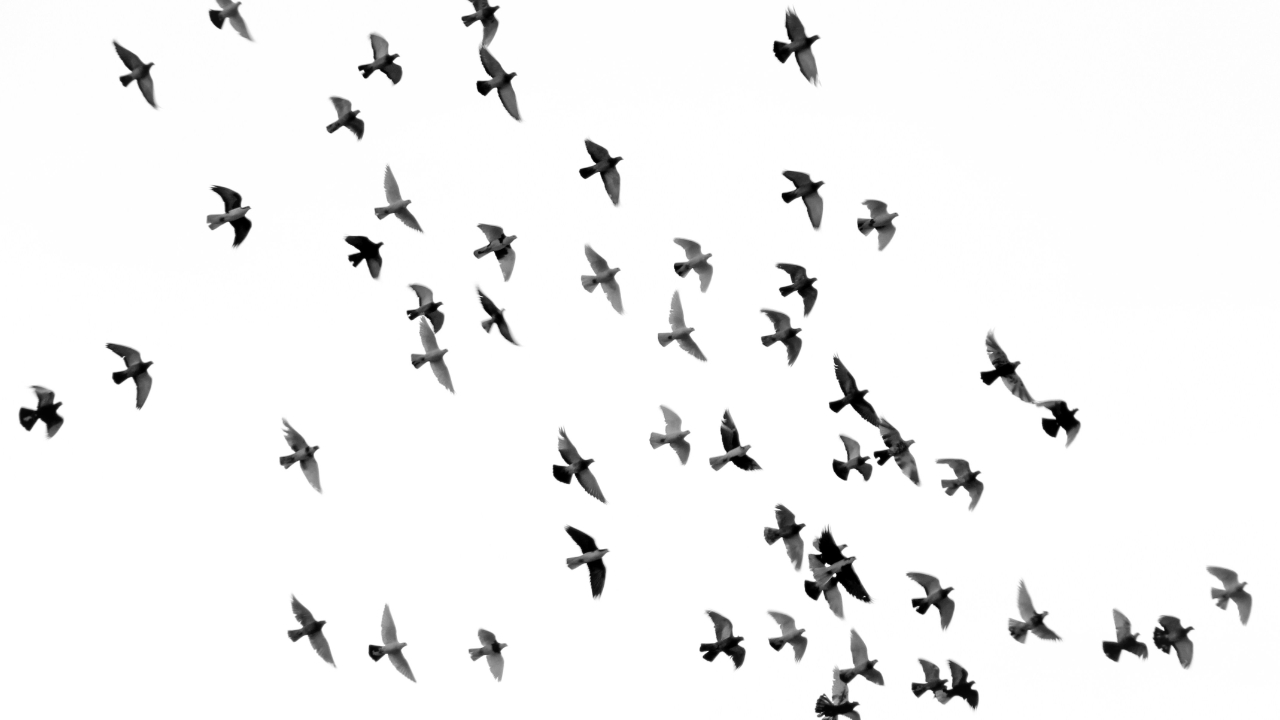
Coming Home to Yourself: When ‘Helping’ Others Becomes a Way to Hide
Have you ever found yourself endlessly pouring into someone else, hoping that if you just give enough—enough love, enough patience, enough of your own vital energy—they will finally "catch flight"?
In our culture, we often call this Broken Wing Syndrome. It’s that magnetic pull toward partners or even family members who seem wounded or in need of fixing. On the surface, it looks like deep compassion.
But if we listen to the whispers of our own bodies, we might find a different story underneath.
The Cost of the 'Fixer' Role
When we take on the role of the caretaker for a "broken bird," we often do so at a high cost to our own nervous system. You might notice symptoms like:
Fatigue and brain fog from over-functioning for two.
A sense of being on autopilot, where your needs always take a back seat.
Resentment or frustration when your efforts aren't reciprocated or the "healing" never happens.
As I often say in my somatic therapy sessions, we cannot make a broken bird fly. Real healing is an "inside job" that requires the other person to choose their own growth.
The Safety of the Savior Complex
Often, Broken Wing Syndrome is a way our system tries to find safety. By focusing on someone else’s "brokenness," we might be subconsciously avoiding our own self-doubt or trauma. It can feel safer to be the "strong one" than to face the vulnerability of our own unmet needs.
This dynamic is closely tied to the Savior Complex, where we make excessive personal sacrifices to "save" others, often ending up in one-sided relationships that leave us drained. For many women, this is an adaptation—a way we’ve survived by becoming "useful" rather than being truly seen for who we are.
Breaking the Habit of Rescuing
In my work with over-extended givers, I see how "helping" can become its own form of "hustle." We stay busy fixing others to avoid the quiet discomfort of our own inner world. This isn't about being "bad" or "selfish"—it's a protective mechanism. But when we constantly move our boundaries to accommodate someone else's dysfunction, we widen the gap between our true selves and the version we pretend to be.
Healthy relationships are built on respect, not endurance. If you have to lose yourself to keep someone else, that isn't love; it's abandonment dressed as kindness. True connection requires two people taking steps toward each other, not a solo journey while the other stands still.
Returning to Ease and Connection
Breaking this cycle isn't about becoming "uncaring." It’s about moving toward interdependence rather than codependency. Here are a few ways to start coming home to yourself:
Notice the Rupture: Relationships naturally have moments of disconnection. Instead of rushing to "fix" the other person to ease your own anxiety, practice staying with the discomfort.
—Check Your Energy: Are you giving from a place of abundance, or are you "giving away your candle"?
—Somatic Check-in: When you feel the urge to rescue, stop and feel your feet on the ground. Ask your body, "What do I need right now?"
If you’re feeling depleted by a relationship that feels like a constant rescue mission, remember: you deserve to experience a life of ease, vitality, and possibility.
Are you ready to stop over-functioning and start living for yourself? I’d love to support you in shifting from frustration to clarity. You can explore my Unhustle Somatic Reset or book a chat to see how we can work together to unearth your hidden talents.
Would you like to explore a somatic exercise specifically designed to help set healthy boundaries in these types of relationships?